
Medicine cabinet organization fails for 3 reasons: expired products nobody disposes of, no zone system so daily meds get buried under quarterly items, and missing child safety in homes with kids. Most people cram everything into one shelf and hope for the best — until they’re sick at 2am and can’t find the thermometer.
The fix is the 4-zone system: Daily-Use at eye level, Occasional at top shelf, Backup Refills at bottom, and First Aid in a separate container. Plus 3 child safety lock options for homes with kids. All 8 picks below are verified live on Amazon and cost under $35.
This guide covers the 4-zone system + FDA-compliant expired medication disposal + child safety locks + constraint guide for rentals and small cabinets. For the broader bathroom system, see our small-bathroom-organization guide, vanity-drawer-organization, and under-sink-organization.
Why Medicine Cabinet Organization Matters
Medicine cabinets are unique among bathroom storage because they involve safety, efficacy, and accessibility all at once. Cluttered medicine cabinets cause real problems:
Lost efficacy: Expired medications lose potency. Aspirin past expiration can irritate your stomach. Antibiotics past date can be ineffective or harmful. Most people don’t realize their daily meds expired 6 months ago.
Slow emergency response: When you’re sick, you don’t want to dig through 30 bottles looking for the thermometer or nighttime cold medicine. Zone organization cuts retrieval time from 2 minutes to 10 seconds.
Child poisoning risk: About 50% of all childhood poisoning cases involve medications. A child-proof medicine cabinet isn’t paranoia — it’s basic safety for any home with kids or visiting kids.
Bathroom humidity: Heat and steam from showers degrade active ingredients faster than expiration dates suggest. The FDA recommends storing most medications in a cool, dry place — not the steamiest room in the house. We’ll cover this more in the Constraint Guide.
The 4-Zone System
The standard medicine cabinet has 2-3 shelves. To organize 30+ items effectively, you need 4 zones mapped to specific shelves. The zones work for any cabinet size — you just adjust the organizer to fit.
Zone 1: Daily-Use (Eye Level)
The shelf you reach first when opening the cabinet. Holds 5-8 items used every day or every week:
- Daily prescription medications
- Daily vitamins/supplements
- Toothpaste (if you store it here)
- Daily skincare (retinol, moisturizer)
Best organizer: ARSTPEOE 3-Tier Medicine Organizer — $23.99. Portable 3-tier with plastic handle. The handle means you can grab the whole organizer and bring it to the kitchen for morning pill sorting. Fits 6-10 daily bottles across 3 tiers. Best for: anyone on daily medications who wants grab-and-go portability.
Tall-bottle alternative: Lifewit 4-Tier Medicine Cabinet Organizer — $29.99. Extra tall design fits bottles up to 7.1 inches — the height of full-size NyQuil, Pepto, etc. 4 tiers for finer separation. Best for: anyone with tall medicine bottles that don’t fit standard organizers.
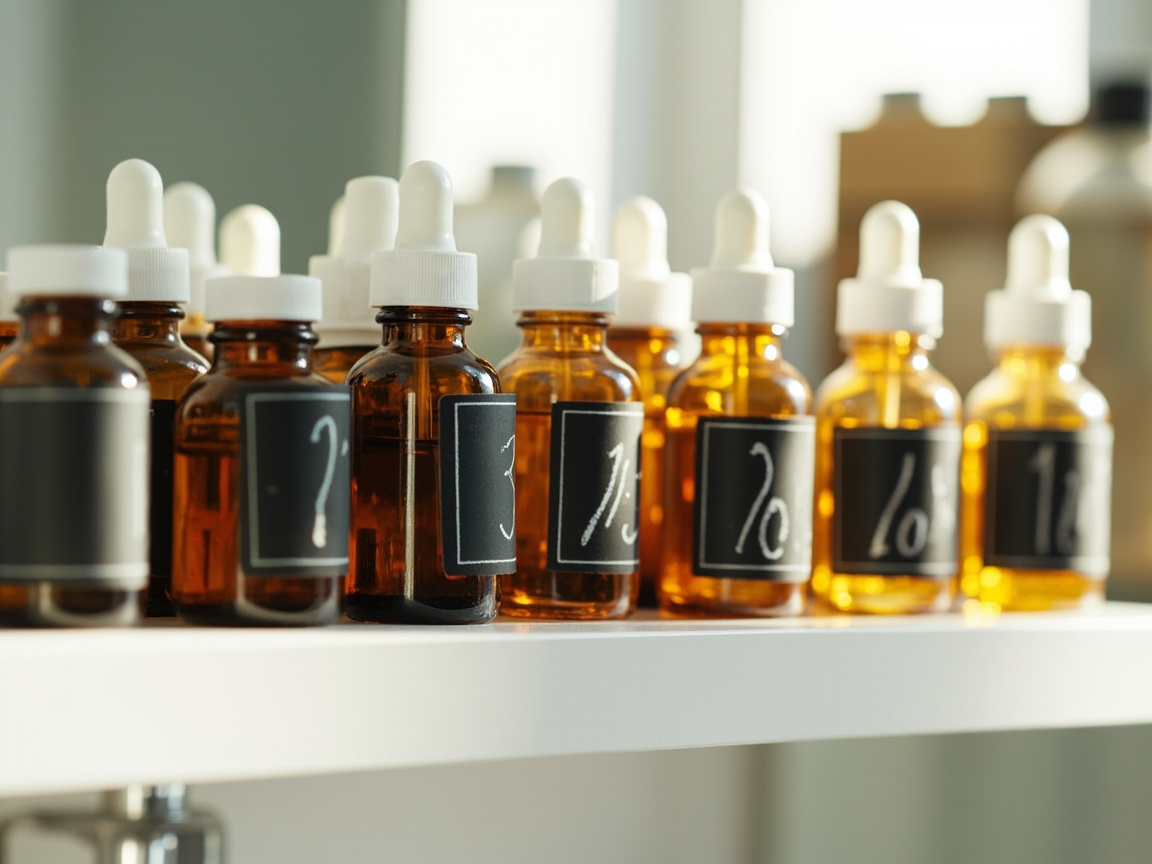
Zone 2: Occasional (Top Shelf)
The hardest shelf to reach without a step stool. Holds 5-10 items used monthly or quarterly:
- Seasonal allergy meds (Claritin, Zyrtec)
- Cold/flu meds (NyQuil, DayQuil, Theraflu)
- Pain relief extras (Tylenol PM, aspirin)
- Stomach meds (Tums, Pepto)
- First-aid topicals (Neosporin, hydrocortisone)
Best organizer: funest 4-Tier Medicine Storage Box — $29.99. 4-tier with removable tray — flexible zone separation within the occasional-use category. The removable tray lets you pull down just one tier (e.g., stomach meds) without unbalancing the whole organizer. Best for: anyone with 15+ occasional-use items who wants sub-categorization.
Zone 3: Backup Refills (Bottom Shelf)
The shelf closest to the counter. Holds 2-5 unopened refill bottles:
- Backup toothpaste
- Unopened prescription refills (still in pharmacy box)
- Travel-size items for the travel kit (rotate seasonally)
- Bulk vitamins/supplements
Best modular: Vtopmart 4-Pack Large Stackable Storage Drawers — $34.99. 4 stackable acrylic drawers — use 1 drawer per zone (Daily / Occasional / Backup / First Aid). The modularity means you can pull out just the Backup drawer to grab a refill. Best for: anyone with 30+ items wanting the most flexible system.
Compact alternative: Vtopmart 4-Pack Small Stackable Drawers — $21.99. Smaller version of the modular system for compact medicine cabinets under 18 inches wide. Same 4-drawer flexibility in a tighter footprint. Best for: small apartments, narrow cabinets.
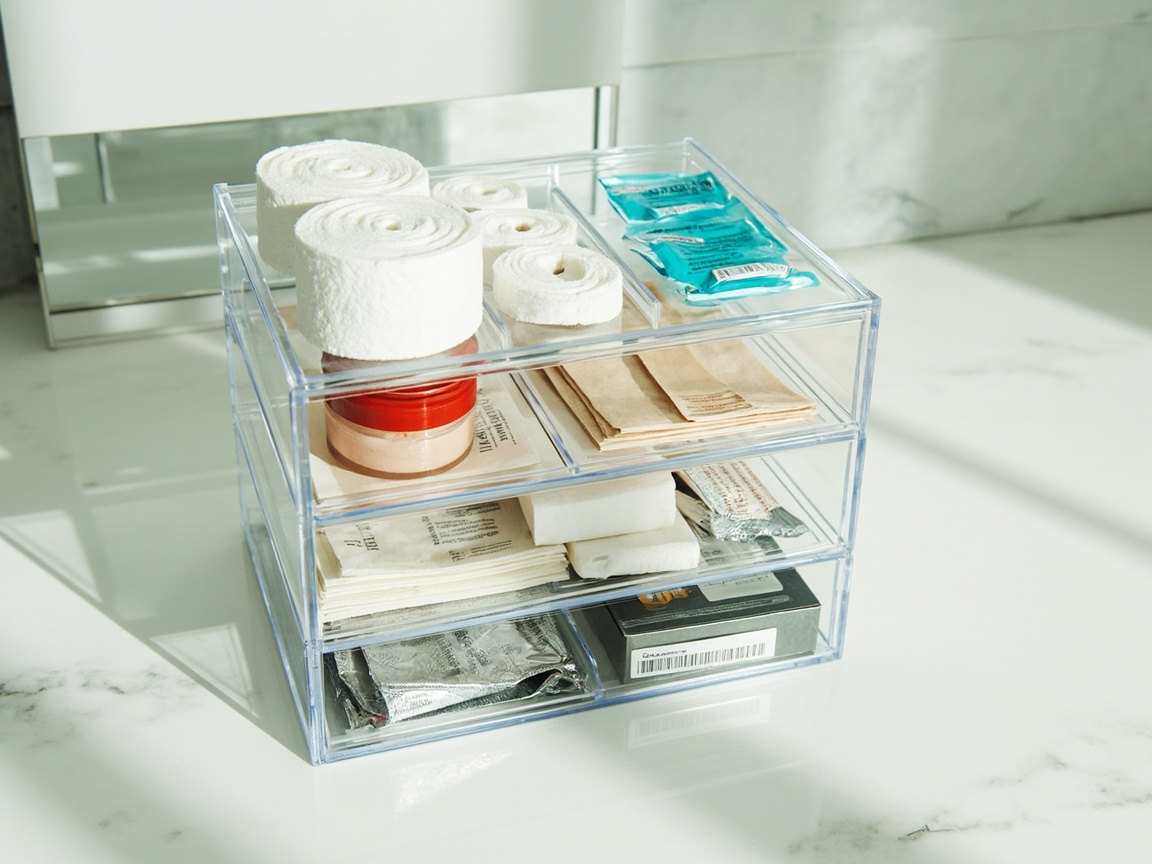
Zone 4: First Aid (Separate Container)
A small clear container (the ARSTPEOE organizer works great for this) that holds first-aid essentials separately from daily meds:
- Bandages (multiple sizes)
- Gauze + medical tape
- Antiseptic wipes
- Tweezers + small scissors
- Instant cold pack
- Emergency contact card
Keeping first aid in a labeled separate container means you can grab the whole thing and bring it to the kitchen when someone cuts their finger. No more hunting for bandages.
Expired Product Disposal (FDA Guidelines)
Before organizing anything, dispose of expired items properly. The FDA has specific guidance:
Prescription drugs: Use the FDA’s drug take-back program — most pharmacies (CVS, Walgreens, Walmart) and police stations have secure drop boxes. This is the safest method.
OTC medications in the FLUSH list (FDA-approved for flushing): Fentanyl, Oxycodone, certain opioids. Flush these if no take-back is available — they are dangerous enough that water contamination is the lesser risk.
Most other OTC meds (Tylenol, aspirin, vitamins, etc.): Mix with coffee grounds or kitty litter in a sealed bag, then throw in trash. NOT down the toilet or sink — most water systems can’t filter these out.
Don’t keep “just in case” expired meds: Aspirin past expiration breaks down into acetic acid (vinegar) and salicylic acid, which irritates your stomach. Most OTC meds lose 5-10% potency per year past expiration. If you wouldn’t take it today, dispose of it.
Most people find 20-40% of their medicine cabinet is expired when they do this audit. That’s normal — expiration dates are easy to miss.
Child Safety Locks (3 Options)
If kids live in or visit your home, child safety locks are non-negotiable. About 50% of childhood poisoning cases involve medications. The good news: there are 3 lock styles that work in any cabinet, all renter-friendly.
Best budget: LLOOC Cabinet Locks 4-Pack U-Shaped — $5.38. U-shaped locks that hook onto cabinet doors. No drilling, no adhesive — they hook over the doors. Works for inset cabinets where adhesive locks won’t stick. Best for: budget shoppers, inset cabinets.
Best whole-bathroom: SKYLA HOMES Baby Locks 8-Pack — $9.99. 8-pack covers medicine cabinet + under-sink + toiletries cabinet + linen closet. One purchase secures the whole bathroom. Best for: families with toddlers who need every cabinet locked.
Best renter-friendly: Upgraded Invisible Baby Proofing Latches 10-Pack — $19.99. Invisible locks mount inside the cabinet — no visible hardware on the exterior. 10-pack covers every cabinet in a 3-bedroom home. Best for: renters who can’t modify cabinets + homeowners who want invisible safety.
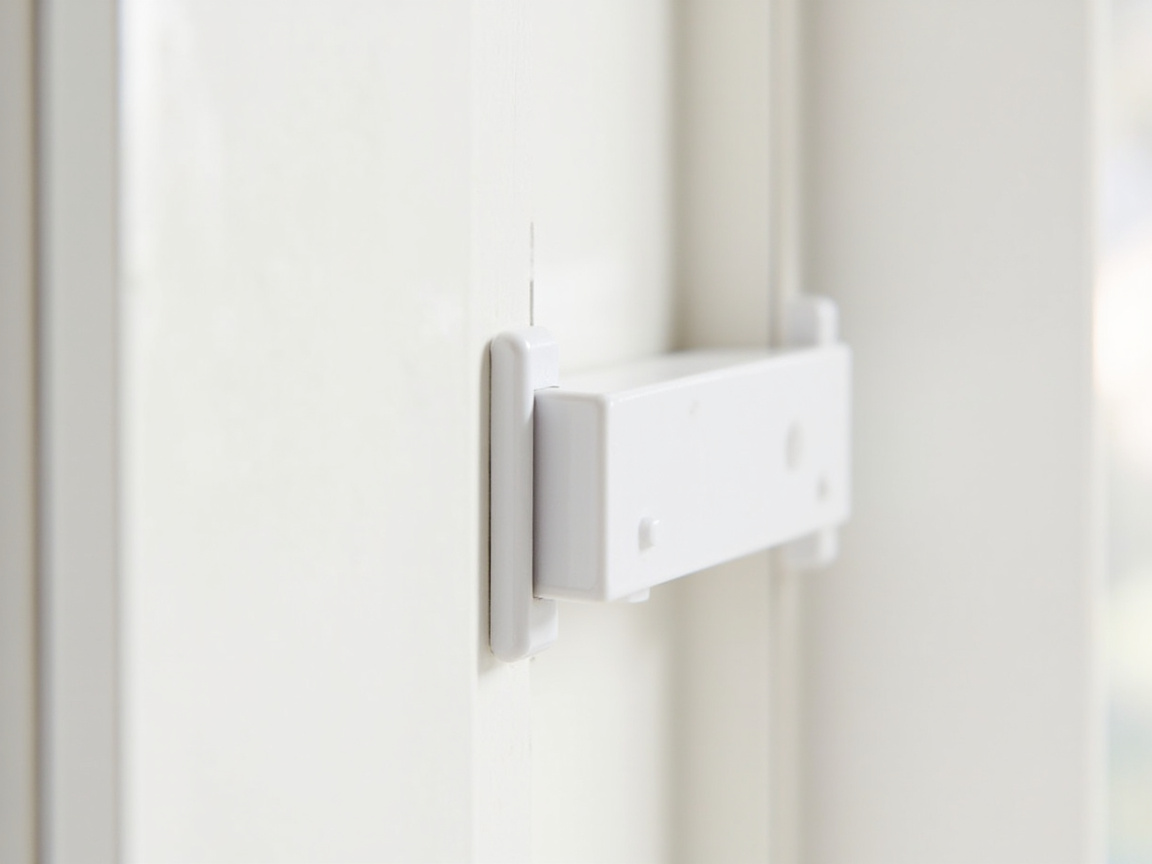
Install locks BEFORE restocking the cabinet. Kids are curious — they’ll investigate a freshly organized cabinet more than a messy one.
Common Mistakes
Five failure patterns in nearly every disorganized medicine cabinet:
-
Keeping expired medications past their date. Aspirin past date breaks down into stomach-irritating compounds. Most OTC meds lose 5-10% potency per year past expiration. If you wouldn’t take it today, dispose of it via the FDA take-back program.
-
Storing all items at one level. Without zones, daily meds get buried under quarterly items. You’ll waste 2 minutes searching when sick — or give up and buy duplicates. Zone separation cuts retrieval time to 10 seconds.
-
Mixing daily and occasional items. Daily vitamins on the same shelf as seasonal allergy meds creates daily clutter. Zone 1 (eye level) should only hold items you touch daily. Move everything else up or down.
-
Not child-proofing when kids visit or live in the home. Even well-behaved kids explore when bored or curious. A 5-minute lock install prevents a trip to the ER. Worth every dollar.
-
Storing medicine in humid bathroom. Heat and steam from showers degrade active ingredients faster than expiration dates suggest. The FDA recommends cool, dry storage. If you must store in bathroom, use a sealed organizer (like the ARSTPEOE with latching lid) to reduce moisture exposure.
Constraint Guide: If-Then Decisions
Four if-then rules for medicine cabinet scenarios:
- IF kids live in or visit the home → install child safety locks BEFORE organizing (top priority — every other step depends on this)
- IF cabinet is under 18 inches wide → use a single tiered organizer (Lifewit), not 4-stack drawers (Vtopmart won’t fit)
- IF you take daily medications → Zone 1 (daily-use) gets the eye-level shelf, not the top — top shelf is for occasional items only
- IF you have 10+ prescription bottles → use modular stackable drawers (Vtopmart 4-pack) so each category has its own drawer
FAQ
How often should I clean out my medicine cabinet?
Every 6 months at minimum. Most OTC medications expire within 2-3 years, so twice-yearly check-ins prevent buildup. Set a calendar reminder for January and July — easy to remember. Each check takes 15 minutes and prevents expired meds from accumulating.
Where should I store medicine if not in the bathroom?
A bedroom dresser drawer or hall closet is ideal — cool, dry, dark. The bathroom is the worst place due to shower humidity. If you must store in the bathroom, use a sealed plastic organizer (like the ARSTPEOE with lid) to reduce moisture exposure, and never store above the toilet (steam damage).
Are child safety locks really necessary?
Yes if kids are ever in your home — including visiting grandchildren. About 50% of childhood poisoning cases involve medications. Locks cost $5-20 and install in 5 minutes — the cheapest insurance you’ll ever buy. Even if your kids are grown, locks matter for visiting kids who don’t know your home.
Related Bathroom & Health Guides
For the rest of your bathroom + medicine storage:
- Small Bathroom Organization — 4-zone bathroom system
- Vanity Drawer Organization — 6-category vanity drawer system
- Under Sink Organization — under-sink cabinet layouts
- Shower and Tub Storage — 4-zone shower storage
- Bathroom Hub — all bathroom content
For seasonal medicine rotation, see seasonal-closet-rotation (the same quarterly check principle applies). For general decluttering method, see declutter-fast. For labeling systems, see how-to-label-anything.