
The 5S method brings Japanese workplace rigor to home organization. Originally developed for Toyota factories in the 1960s, 5S converts chaotic spaces into maintainable systems through five sequential steps.
What is 5S?
5S is a five-step methodology originating from the Toyota Production System. Each step is a Japanese word starting with “S”:
- Seiri (Sort): separate necessary from unnecessary
- Seiton (Set in Order): a place for everything, everything in its place
- Seiso (Shine): clean the workspace, revealing problems
- Seiketsu (Standardize): make the first three steps repeatable
- Shitsuke (Sustain): maintain discipline over time
The method was designed for factories, where every tool needs a designated location and every defect needs visibility. Homes have the same need — every item has a logical place, and dirt or damage signals a problem to address.
5S differs from KonMari in that it’s systems-based rather than feeling-based. It differs from FlyLady in that it’s project-based rather than habit-based. It differs from zone cleaning in that it’s sequential rather than rotational.
The most useful application of 5S at home is functional spaces: garages, home offices, pantries, workshops. These spaces benefit most from designated places and visual standards.
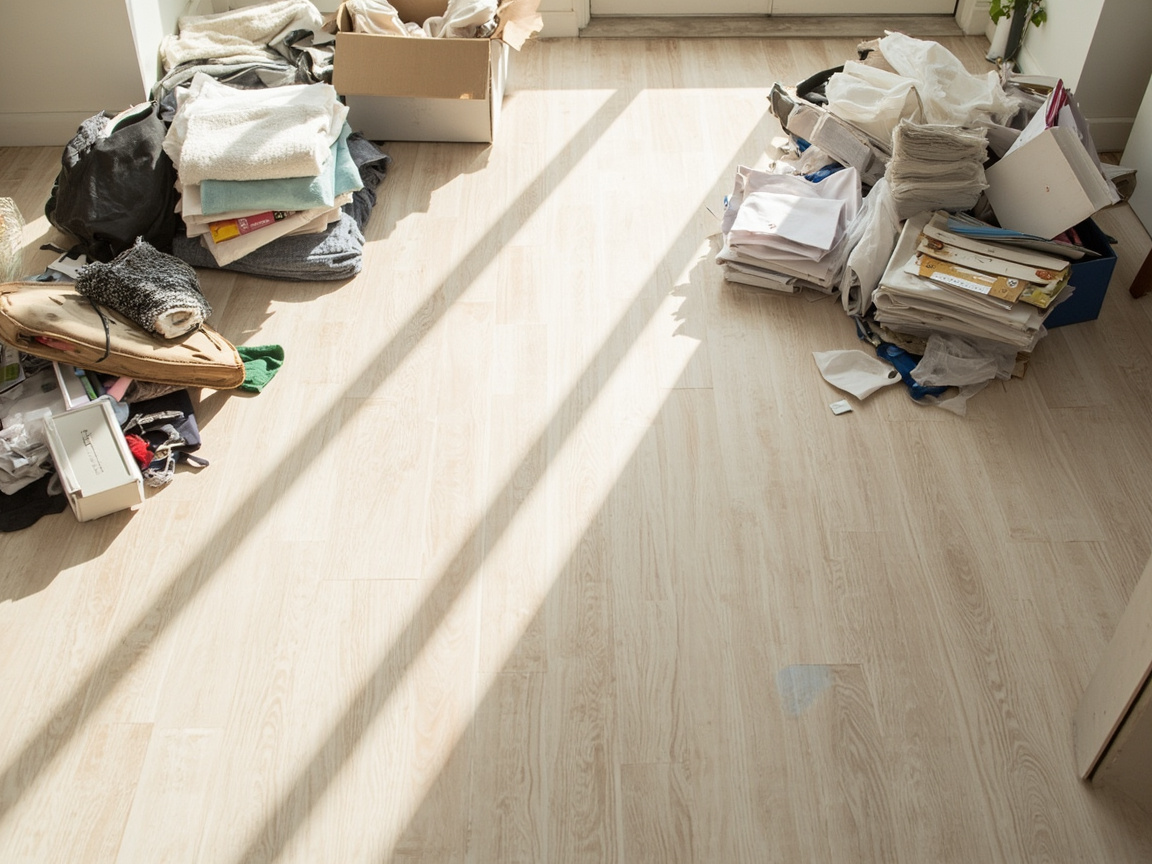
Sort (Seiri) — Decide What Stays
The first step is radical separation. Touch every item in the zone. Make four piles:
- Frequently used — used in the last 30 days or expected in next 30 days
- Occasionally used — used 1-12 times per year (seasonal items)
- Rarely used — used once per year or less (specialty tools, memorabilia)
- Never used — no memory of last use, no clear purpose
Items in pile 1 stay in the zone, in prime real estate. Items in pile 2 stay but in less accessible locations (high shelves, back of closet). Items in pile 3 go to long-term storage (garage attic, basement). Items in pile 4 are donated or discarded.
The red-tag technique helps with “occasionally used” items: tag them with a red sticker and store them in a designated red-tag zone for 30 days. If you don’t reach for them in 30 days, they go to pile 3 or 4.
For the kitchen pantry, the mDesign stackable bins work well as sort containers for each category.
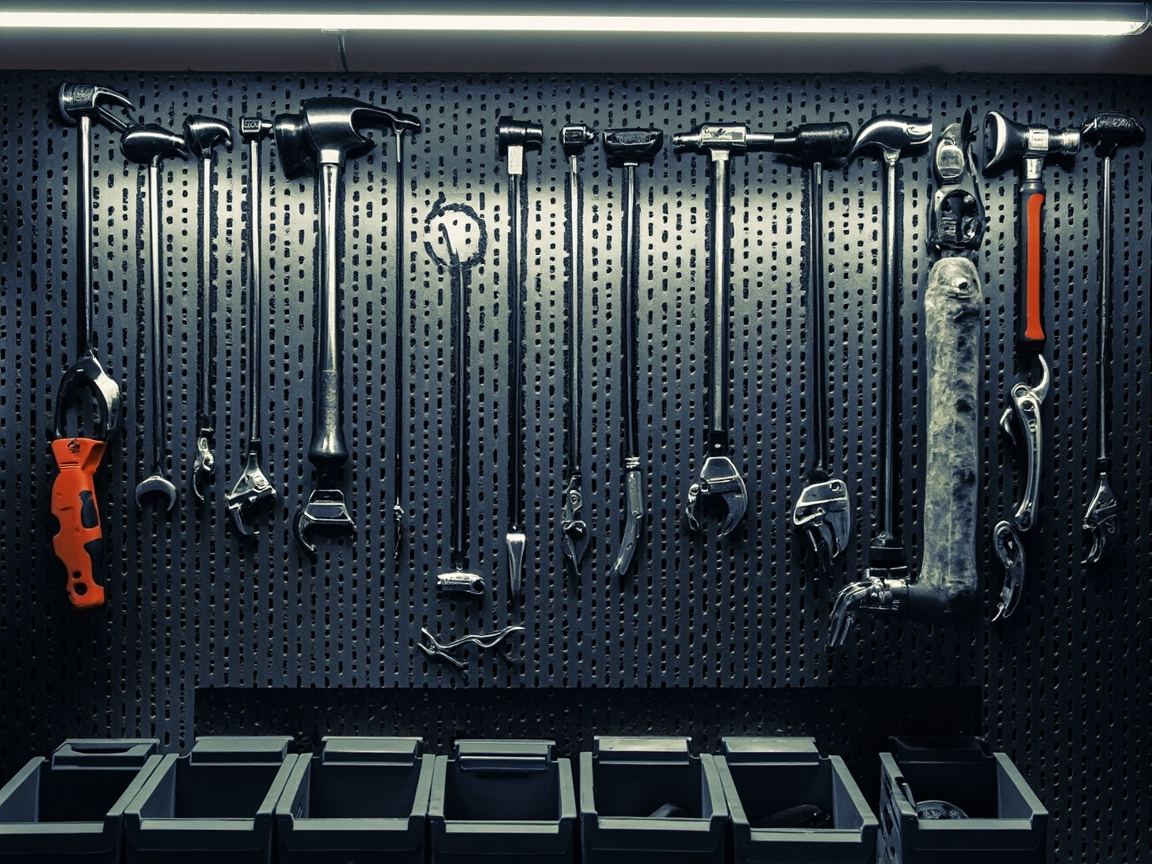
Set in Order (Seiton) — A Place for Everything
For every item in pile 1, designate a specific location. The principle: anyone should be able to find and return an item without asking.
Three rules for placement:
- Frequency: most-used items at waist height (between knee and shoulder). Occasional items above or below.
- Sequence: items used in sequence are placed in sequence (coffee → mug → sugar → spoon).
- Visual: shadow boards, outlines, or labeled positions so missing items are immediately obvious.
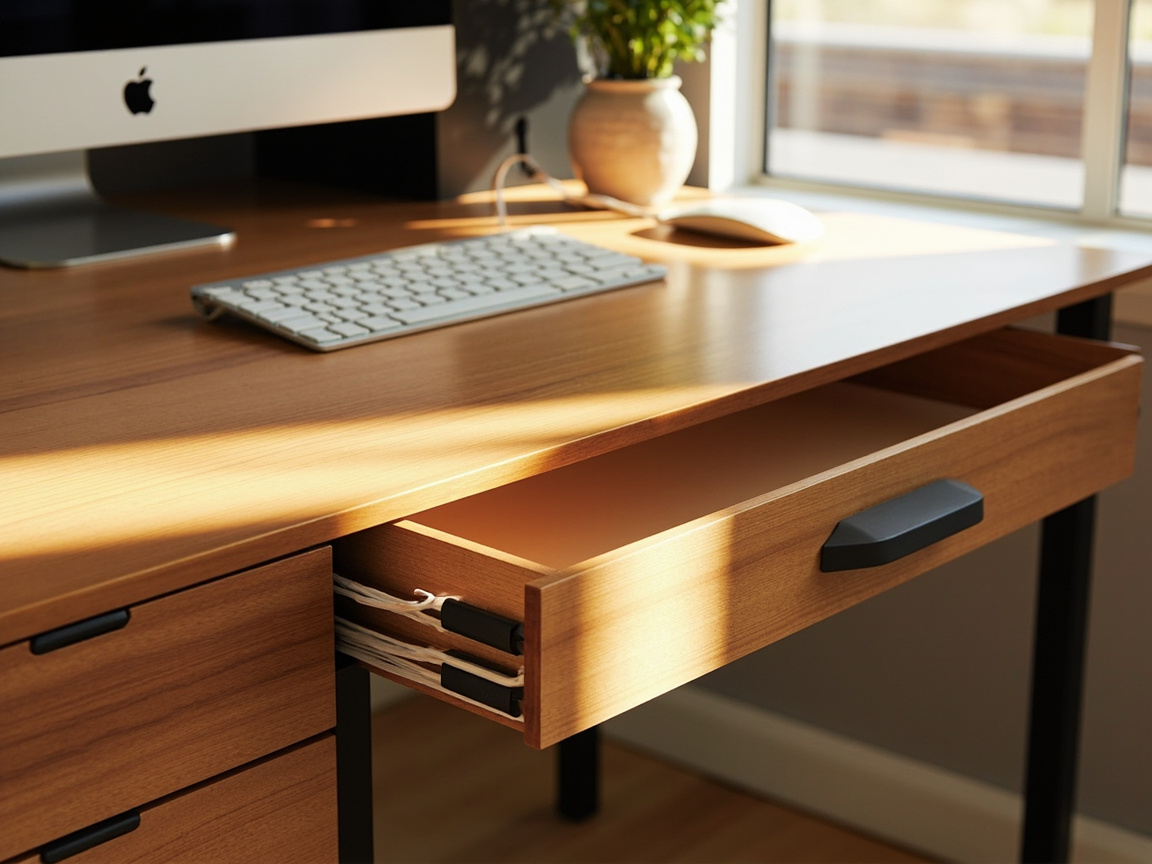
The home office drawer organizer is the canonical Seiton tool — each item has a designated slot. mDesign drawer organizers work for this. For a garage, pegboards with tool outlines let you see at a glance which tool is missing.
For labeling, chalkboard labels let you relabel as the system evolves. Permanent labels lock you in too early.
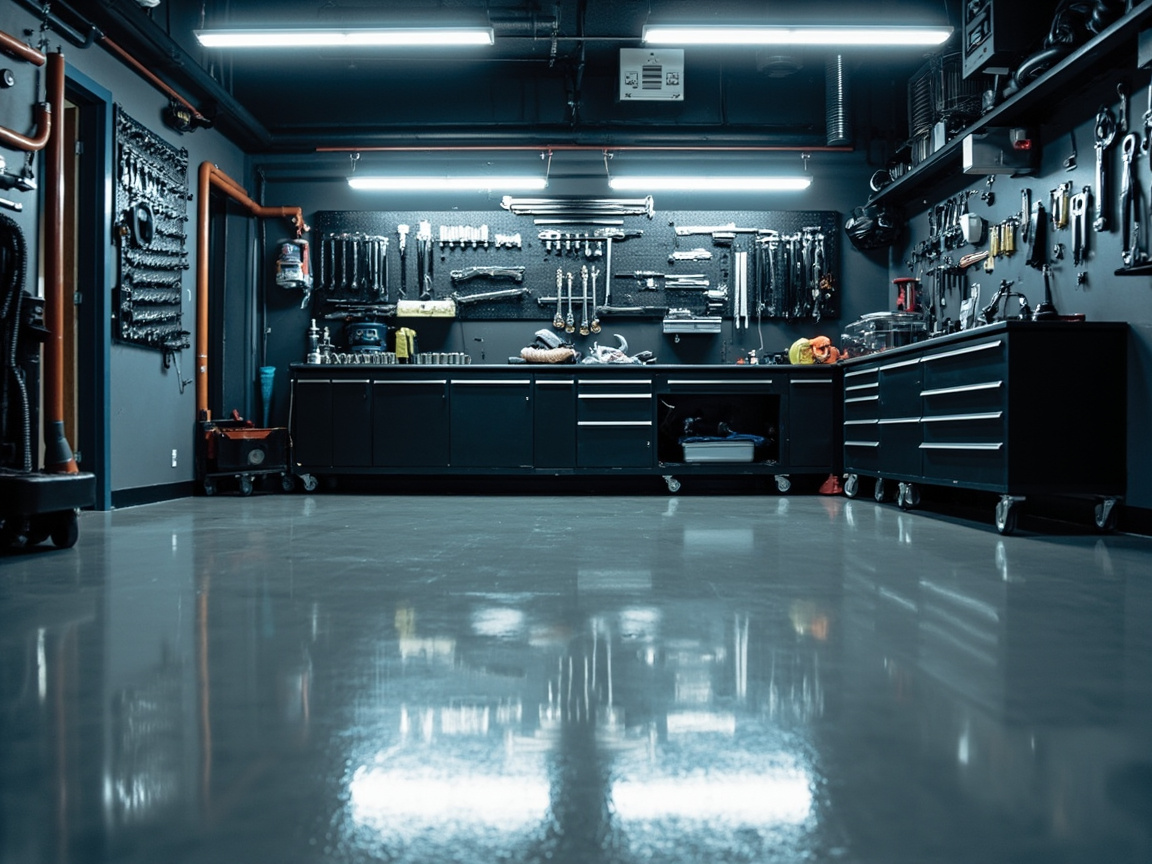
Shine (Seiso) — Clean as Inspection
After sorting and organizing, deep clean. But the cleaning is also an inspection:
- Spills reveal container problems.
- Dust patterns reveal airflow issues.
- Sticky surfaces reveal item misuse.
- Broken items reveal maintenance gaps.
Document what you find. A garage floor oil stain isn’t just dirt — it’s a sign of a container leak that needs replacement. A sticky kitchen drawer is a sign that items stored there don’t actually belong there.
Use drawer liner in newly organized drawers. The liner makes future cleaning easier (pull out, wipe, replace) and gives the drawer a “reset” appearance.
For deeper cleaning that respects home surfaces, our zone cleaning method provides the cleaning rhythm that supports 5S.
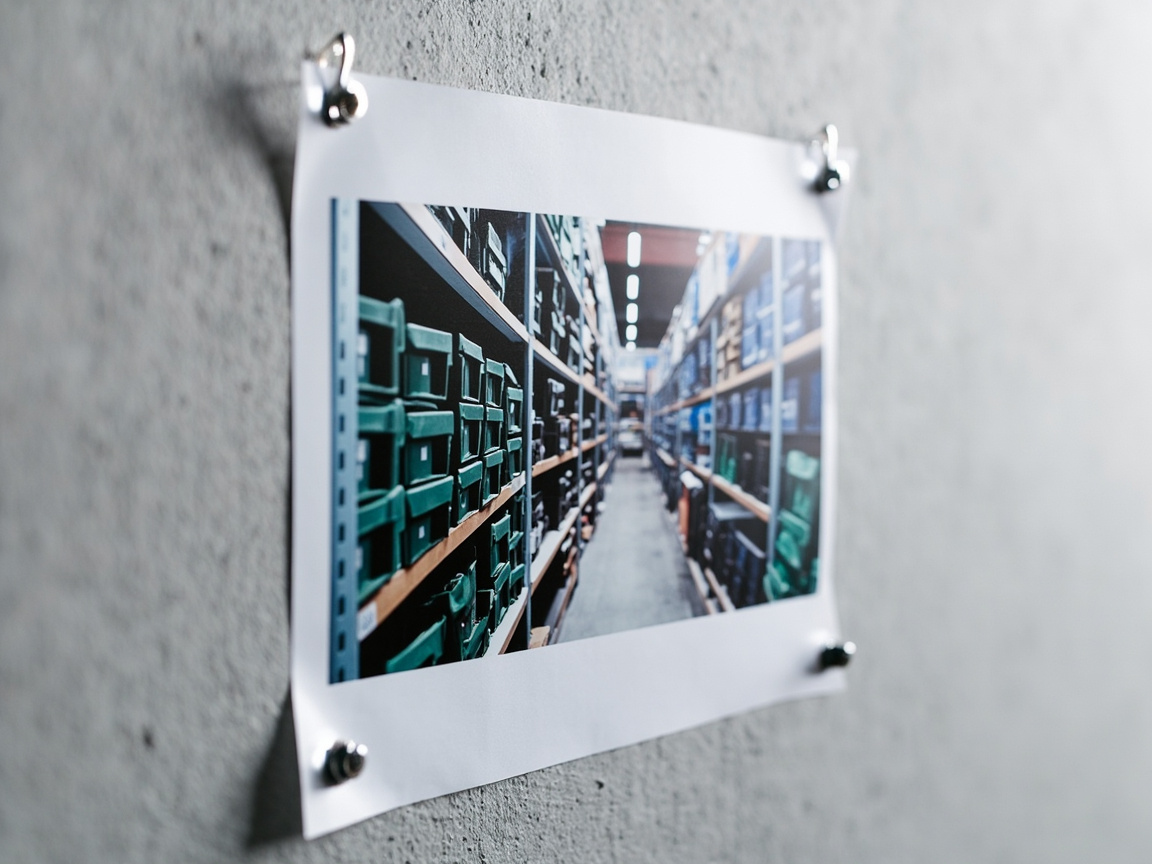
Standardize (Seiketsu) — Make It Repeatable
The first three steps are project work. Standardize converts them into a system.
Three standardization tools:
- Visual standards: photographs of the zone in its ideal state, posted at the zone. Anyone — including future-you — can compare current state to the photo and reset.
- Color-coding: assign colors to categories or zones. Kitchen = red, office = blue, garage = yellow. Color makes items instantly recognizable as belonging or out of place.
- Daily checklists: 5-minute daily zone reset checklists. Each zone has a one-page list of tasks that take 5 minutes.
For example, a garage Seiketsu standard might include:
- Tools returned to pegboard
- Workbench cleared
- Floor swept
- Trash bin emptied
Chalkboard labels are critical here — labels let the system evolve without permanent marking.
For pantry Standardize, our pantry organization guide walks through the visual standards for pantry systems.
Sustain (Shitsuke) — Keep the Discipline
Sustain is where most 5S implementations fail. Without sustain, the system degrades within 3-6 months.
Three sustain patterns:
- Daily 5-minute zone audit: walk through each zone, return items to their places, address any drift.
- Weekly 30-minute reset: deeper check — clean, restock, re-evaluate any items that don’t fit.
- Monthly 1-hour maintenance: full system check — photograph current state, compare to visual standard, adjust as needed.
Family involvement is critical. Without family buy-in, the Sustain phase becomes one person’s responsibility, which leads to resentment and abandonment. Assign each family member a zone they own.
Keep a donation bag visible and accessible. When Sustain audits reveal items that don’t belong, immediate donation removes them from the decision backlog.
5S for the Garage
Garages are 5S’s strongest home application because garages combine tools, equipment, and seasonal items in a single space.
Seiri (Sort)
Touch every tool, every box, every item. Ask: used in the last 12 months? If not, it goes. Garage sort often reveals 50-70% of items haven’t been touched in a year.
Seiton (Set in Order)
- Pegboard for hand tools (drills, hammers, screwdrivers)
- Wall-mounted bike hooks
- Overhead storage for seasonal items
- Floor bins for bulky items (lawn care, sports equipment)
- Cabinet for chemicals and paint
Drawer organizers work for small parts (nails, screws, batteries). Storage bins work for categories (holiday decorations, camping gear).
Seiso (Shine)
Sweep floor. Wipe down pegboard. Clean workbench. Inspect for spills, leaks, broken items. Concrete stain removal often requires degreaser.
Seiketsu (Standardize)
Photograph the ideal garage. Print the photo. Tape it to the wall. Each family member can compare current state to the photo.
Shitsuke (Sustain)
10-minute Saturday morning reset: tools returned, floor swept, items checked.
5S for the Home Office
Home offices accumulate papers, supplies, cables, and electronics. 5S converts the chaos into a working system.
Sort
Papers: separate active (current projects) from archive. Active stays; archive moves to long-term storage or scans to digital.
Supplies: keep only what you use. The duplicate stapler or 12 pens you don’t need — discard or donate.
Set in Order
- Desk drawers with organizers
- Filing cabinet for active documents
- Cable management under desk
- Charging station for electronics
- Reference library within arm’s reach
Drawer organizers create designated positions for office supplies. Fabric bins work for paper overflow or recycling staging.
Shine
Monthly deep clean: keyboard, screen, desk surface, cables. Dust accumulates fast in offices.
Standardize
End-of-day 5-minute reset: clear desk, file papers, return supplies, charge devices.
Sustain
Weekly paper purge. Items not referenced in the week go to archive or discard.
5S for the Pantry
Pantries benefit enormously from 5S because FIFO (first-in-first-out) rotation prevents waste.
Sort
By category (grains, canned, snacks, baking, condiments). By use-by date. Items past date go immediately.
Set in Order
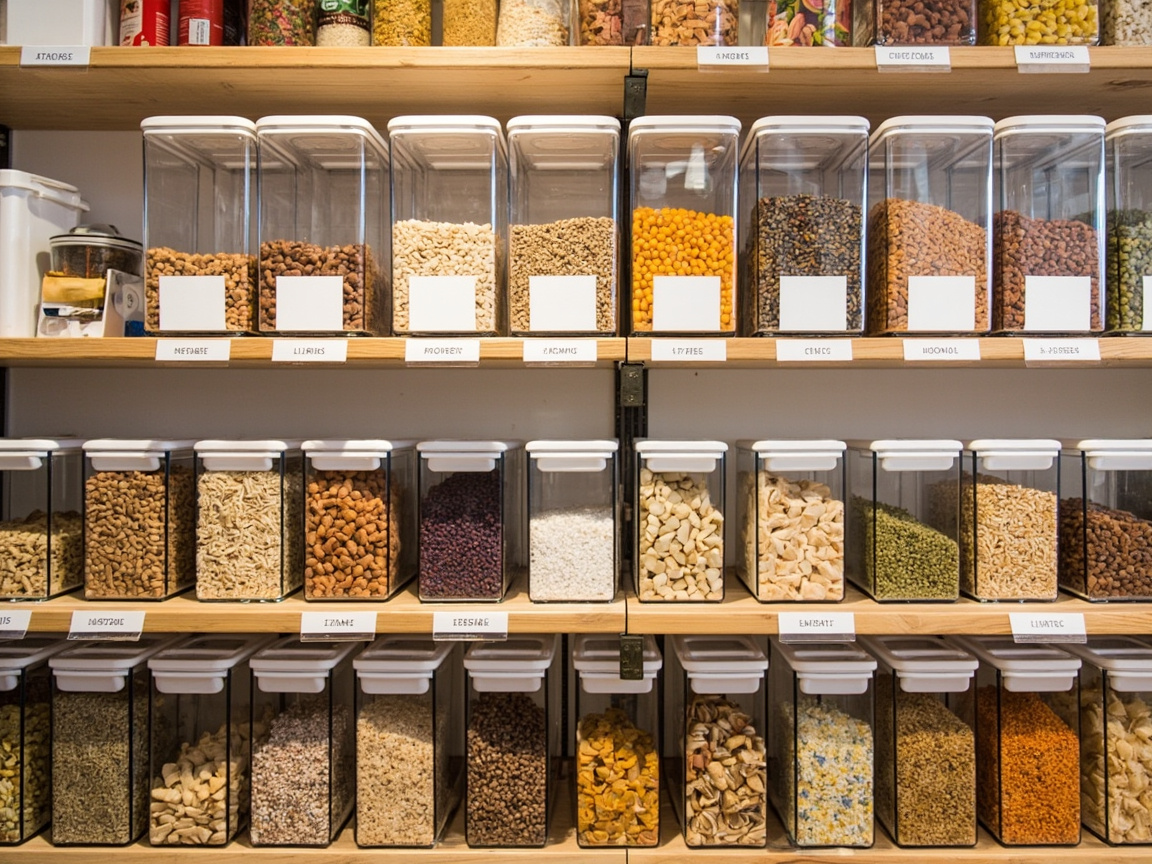
- Clear bins for visibility
- Labels for category
- FIFO rotation: new items behind old items
- Zone sections: cooking oils near stove, baking supplies together, kid snacks at kid height
Shine
Monthly shelf wipe. Check for spills. Inspect containers for damage.
Standardize
Shopping list template tied to pantry zones. When shopping, you check the zone first, then write the list.
Sustain
Pre-shopping pantry check (5 minutes). Restock zones. Rotate new items behind old.
5S vs KonMari
The two methods solve different problems and apply to different spaces.
| Dimension | 5S | KonMari |
|---|---|---|
| Approach | Systems-based | Feeling-based |
| Best for | Functional spaces (garage, office, workshop, pantry) | Personal spaces (clothing, books, sentimental) |
| Decision framework | Use frequency | Joy |
| Repeatable | Yes, standardized | One-time project |
| Maintenance | Daily/weekly habits | Aftercare required |
Most homes benefit from both: 5S for the garage, office, and pantry; KonMari for clothing, books, and sentimental items. The methods complement rather than compete.
For step-by-step KonMari application, see KonMari method. For quick decluttering before 5S, see declutter fast.
Common Mistakes to Avoid
- Skipping the red-tag 30-day wait — deciding too quickly leads to regret. The wait removes emotional pressure.
- Not creating visual standards — without photos of the ideal state, the Standardize phase is vague.
- Trying to 5S the entire house in one weekend — pick one zone per month. Build slowly.
- Ignoring the Sustain phase — the system degrades within 3-6 months without daily/weekly maintenance.
- Going too rigid — leave room for personal expression. The system serves you; you don’t serve the system.
Constraint Guide
- if you have a workshop or garage → start 5S there. Garages are the easiest win because the methodology was designed for similar spaces.
- if you work from home → apply 5S to the office first. Office clutter directly affects productivity.
- if you have limited time → 1 zone at a time, 1 hour each. Quality over speed.
- if you share spaces → assign zones per family member. Each person owns their zones’ Sort, Set, Shine, Standardize, Sustain.
- if you have rental constraints → focus on Sort and Set in Order (less visible changes). Skip the wall-mounted pegboard; use freestanding storage instead.
5S Method FAQ
_faq:
- q: Is 5S only for factories and offices? a: “No. 5S is a methodology, not an industry-specific system. The principles (Sort, Set in Order, Shine, Standardize, Sustain) apply anywhere items need designated places. Homes have always had organization needs; 5S simply applies workplace-tested rigor to home spaces.”
- q: How long does 5S take per zone? a: “The full 5S process takes 4-8 hours per zone the first time. Subsequent Sustain phases are 5-15 minutes daily. Most people 5S one zone per weekend, completing 4-6 zones per month. A full home takes 3-6 months.”
- q: Do I need to label everything? a: “Labeling is part of Standardize (Seiketsu) and is highly recommended but not strictly required. The principle is that anyone should be able to find and return items. Labels enforce this. For spaces only you use, labels are less critical. For shared family spaces, labels prevent items from drifting.”
- q: What is a red-tag in 5S? a: “A red tag marks an item you’re unsure about keeping. Apply the red tag and store the item in a designated ‘red-tag area’ for 30 days. If you don’t reach for the item in 30 days, it goes. The red-tag system removes decision pressure - you don’t have to decide right now.”
- q: Can 5S work with kids in the household? a: “Yes. Assign each child a zone that matches their age (a 5-year-old can 5S their toy bin; a 10-year-old can 5S their closet). Make it visual: take a ‘before’ photo, work together, take an ‘after’ photo. Kids respond to visible transformation and short bursts of work.”
Conclusion
5S converts home organization into a maintainable system. The method shines in functional spaces — garage, office, pantry — where every item benefits from a designated location.
The Sustain phase is where most 5S implementations fail. Build daily 5-minute habits into your existing routines (after dinner, before bed, weekend reset). Without Sustain, the system degrades.
For related methodology, see KonMari (one-time feeling-based declutter), FlyLady (daily habit system), and zone cleaning (rotational cleaning rhythm). For specific applications, see kitchen pantry, choosing shelf organizers, and how to label anything.