
Declutter101 organizes storage and organization content into two layers: decision categories (what type of solution you need) and product categories (where to find it on the site). If you’ve ever landed on a room page and wondered which storage product to start with, this guide walks you through how the categories work together so you can find the right fix without bouncing between pages.
How the Two Category Systems Work
Declutter101 uses two parallel category systems that serve different purposes. Understanding the difference saves you time and prevents buying the wrong product for your space.
Decision categories live on the essentials hub. They group articles by the type of decision you’re making - “Should I get clear or opaque bins?” or “Which drawer divider material works for a humid bathroom?” Each category has a dedicated landing page with solution guides and comparison articles that walk through a 5-factor framework for choosing the right product type.
Product categories appear in the site navigation under Essentials. They’re the shortcut path - “I know I need storage bins, take me there.” These map to room-specific pages where you can see the product in context, with measurements and placement tips that generic shopping guides don’t provide.
A clear plastic bin for pantry organization serves a different purpose than a fabric foldable bin for a bedroom closet. The decision categories help you figure out which bin; the product categories help you find where to buy it and how to place it.
Here’s a concrete example. Say you’re organizing a bathroom vanity. You know you need drawer dividers, but you don’t know what material. You’d start at the Drawer Organizers decision category, read the 5-factor framework (Material, Size, Visibility, Stackability, Durability), and learn that bamboo works for dry drawers while silicone works for humid bathroom environments. Then you’d check the bathroom room page for placement-specific advice - how deep the vanity drawer is, whether the divider needs to fit around plumbing, and so on.
The 6 Decision Categories Explained
Each essentials decision category answers one question. Here’s what each one covers and when to use it.
Storage Bins
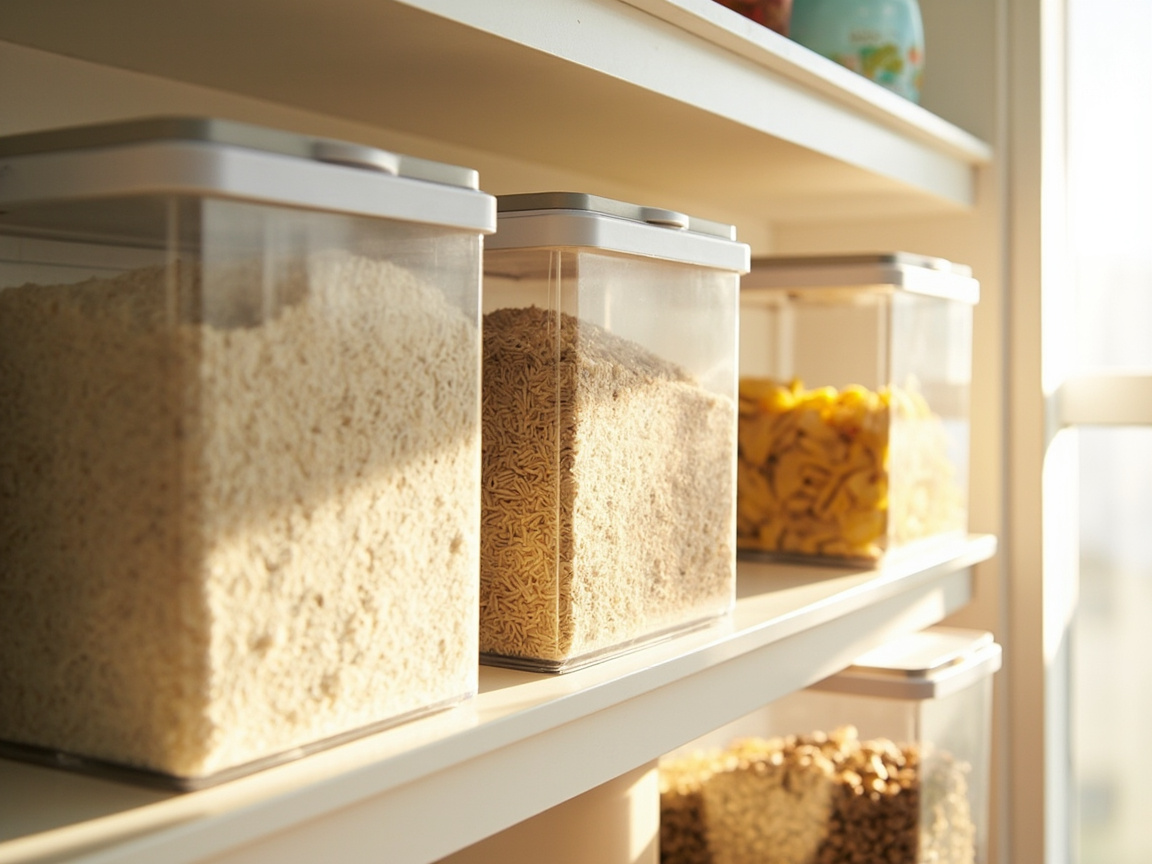
The most universal category. Covers visibility (clear vs opaque), material (plastic vs fabric vs wire), size, and stackability. If you’re starting from scratch - empty room, no system - start here. The how to choose storage bins guide walks through a 5-factor framework. A good representative pick: mDesign Plastic Stackable Food Storage Bins ($24.99) - stackable, clear, works in pantry or closet.
Storage bins are the foundation of every organization system because they handle the broadest range of items. Dry goods in the pantry, socks in the bedroom, cleaning supplies under the bathroom sink - all of these start with choosing the right bin. The key decision factors are visibility (do you need to see what’s inside?), material (plastic for moisture, fabric for soft goods, wire for ventilation), and stackability (do you have vertical space to exploit?).
Drawer Organizers
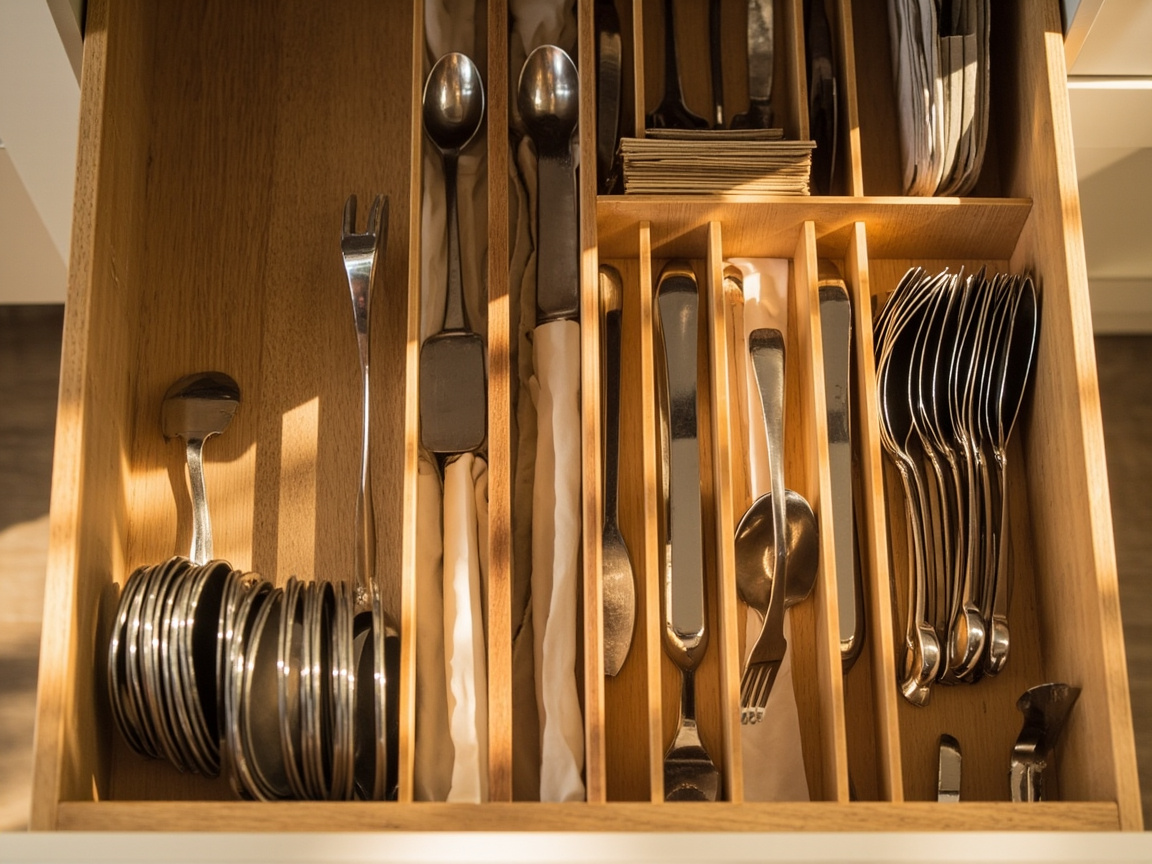
Covers bamboo vs silicone vs adjustable dividers, plus drawer liners. This is where kitchen cabinet organization and vanity drawer organization overlap - both need drawer dividers, but different materials. The drawer organizers guide breaks it down. Representative pick: Pipishell Bamboo Expandable Silverware Drawer Organizer ($25.99) - expandable, bamboo, kitchen-ready.
Drawer organizers differ from storage bins because they’re size-constrained. A bin can go on any shelf, but a drawer divider has to fit the exact interior dimensions of your drawer. That’s why the decision framework puts extra weight on Size and Material - a silicone divider flexes to fit irregular drawer shapes, while a bamboo divider gives a rigid, premium look but requires exact measurements.
Shelf Organizers
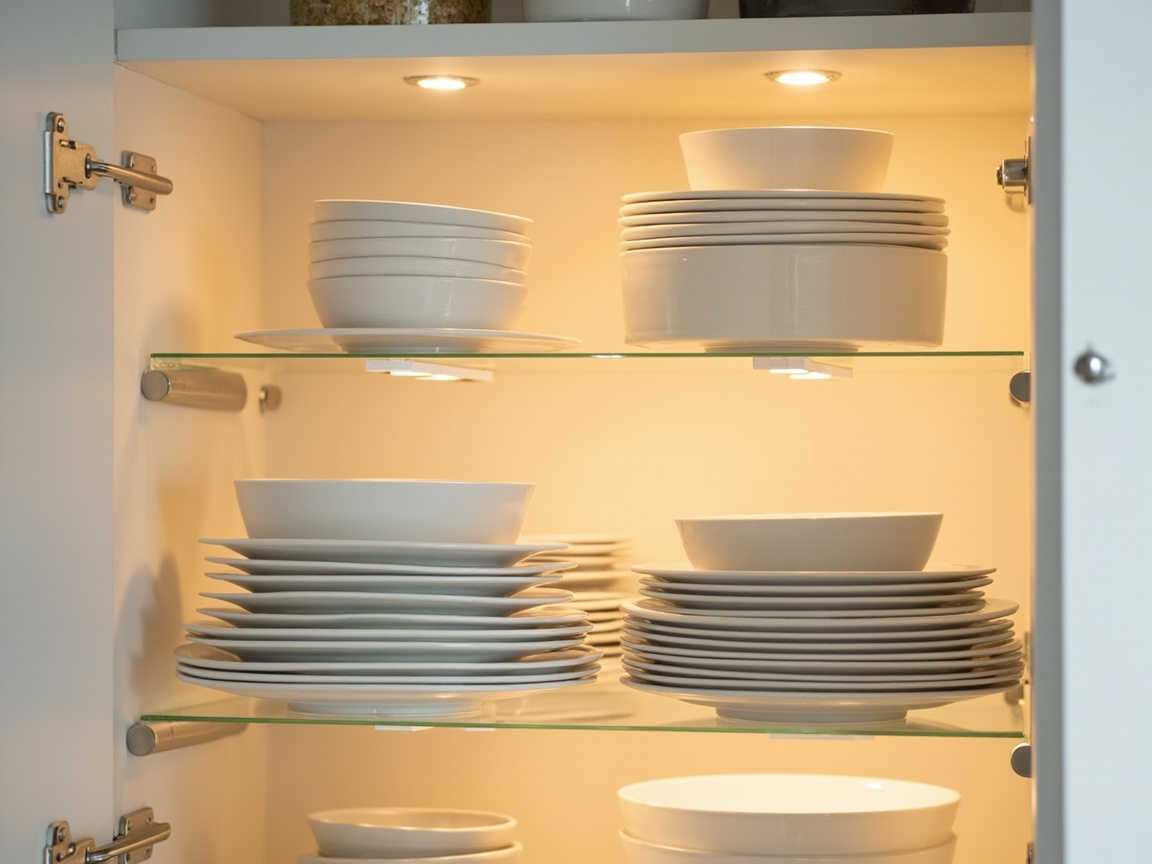
Modular shelves, wall-mounted units, freestanding risers, and over-door racks. This category bridges kitchen and bathroom - under-sink spaces in both rooms often need shelf risers. The shelf organizers guide covers the 5-factor framework. Representative pick: SONGMICS Cabinet Organizer Shelf, Set of 4 ($19.99) - stackable bamboo, renter-friendly.
Shelf organizers solve a different problem than bins: they create levels within existing shelf space. Instead of stacking bins on top of each other (which makes the bottom one inaccessible), a shelf riser lets you see and reach everything at once. This is particularly important in kitchen cabinets where you need to grab a specific spice or pan without unpacking the whole shelf.
Closet Systems
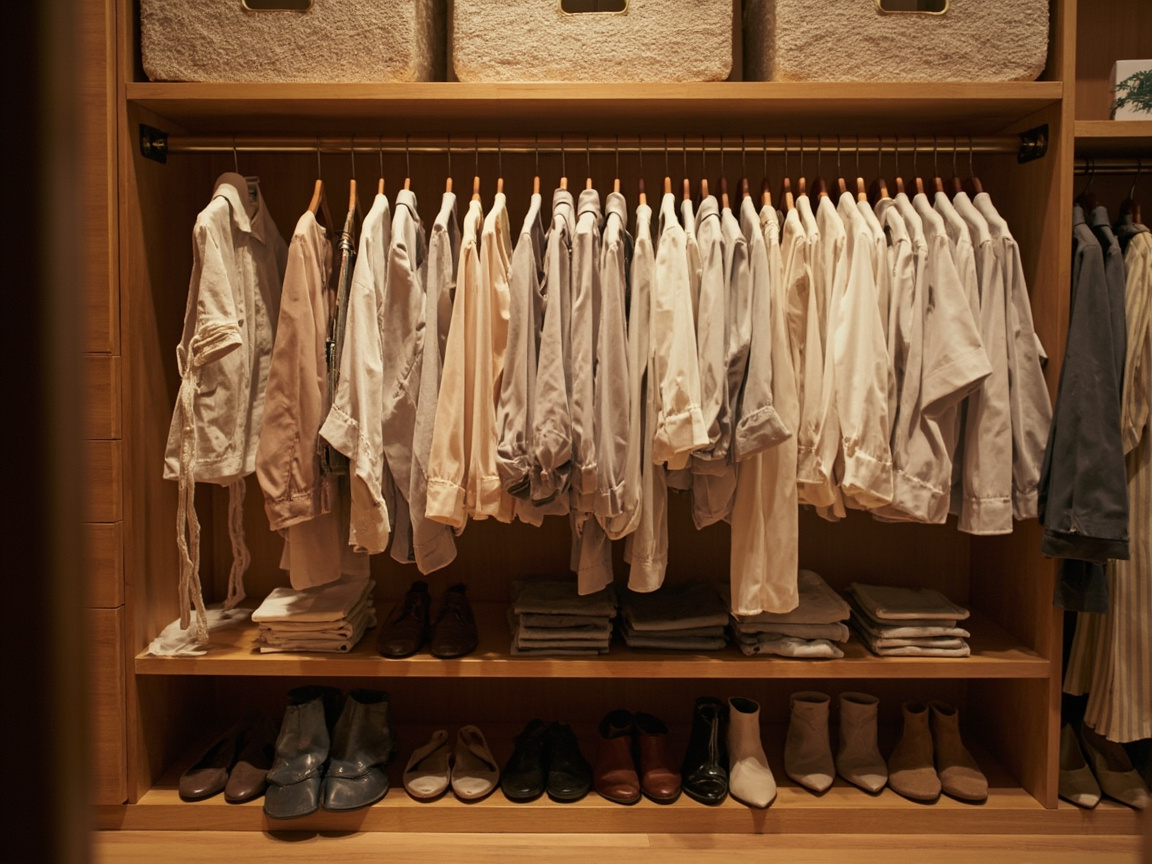
Hanging vs shelving vs modular cubes. This category connects to the closet hub where you’ll find room-specific guides for walk-in and reach-in spaces. The decision here is structural - are you building a system from scratch or adding to an existing closet?
Closet systems are the most permanent decision in the essentials categories. Storage bins can move from room to room, drawer dividers can swap out, but a closet system - rods, shelving units, modular cubes - stays put for years. That’s why the decision framework for closet systems weighs Durability and Installation Method more heavily than the other categories.
Labels & Tags
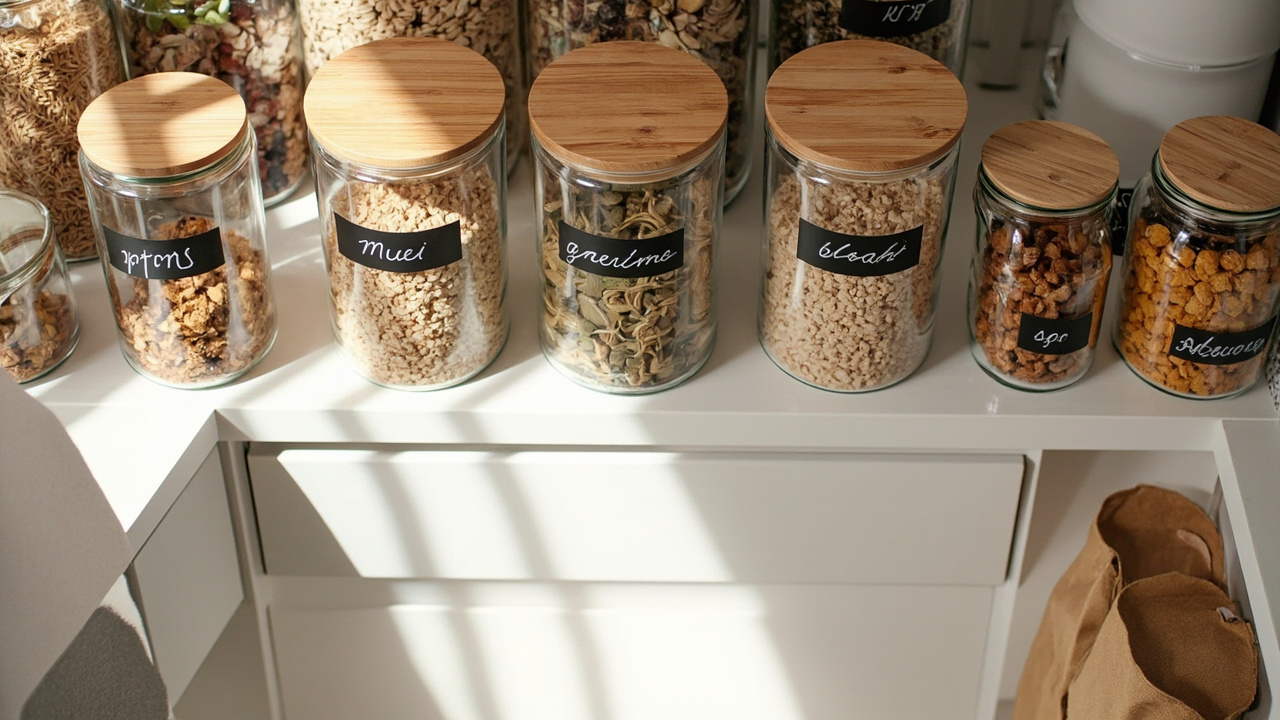
Chalkboard labels, printed labels, label makers. Labels are what make a system survive past month three. Without labels, bins become mystery boxes that nobody opens. The how to label anything guide covers the 5-factor labeling system. Representative pick: ONUPGO Chalkboard Labels, 180pcs ($9.99) - reusable, includes chalk marker, works on any surface.
Labels seem like the least exciting category, but they’re the difference between a system that lasts and one that falls apart in six weeks. The decision here is about reusability and format - chalkboard labels let you rewrite as contents change, printed labels look cleaner but are permanent, and label makers give you the most flexibility at a higher cost.
Hooks & Racks

Vertical storage - wall hooks, over-door racks, pegboards. This is the go-to category when floor space is tight. The hooks and racks guide covers weight capacity, install method, and material. Representative pick: Optish Coat Rack Wall Mount ($19.99) - solid wood, 16.5 inch, entryway or bathroom.
Hooks and racks are the most underutilized category in most homes. People default to horizontal storage (drawers, shelves, bins) and forget that walls and doors offer free vertical space. An over-door rack adds 8-12 square feet of hanging storage without touching floor space or requiring tools. That’s why this category puts extra emphasis on Install Method - damage-free options make vertical storage accessible to renters and apartment dwellers.
The 7 Product Categories in Navigation
The site navigation under Essentials lists 7 product categories. Here’s how they map to decision categories and where each one leads:
- Storage Bins -> How to Choose Storage Bins - maps directly to the Storage Bins decision category
- Closet Organizers -> Closet hub - maps to the Closet Systems decision category, lands on the closet hub
- Drawer Organizers -> How to Choose Drawer Organizers - maps to the Drawer Organizers decision category
- Shelf Systems -> How to Choose Shelf Organizers - maps to the Shelf Organizers decision category
- Labels -> How to Label Anything - maps to the Labels & Tags decision category
- Hooks -> Hooks, Racks & Vertical Storage - maps to the Hooks & Racks decision category
- Under Bed Storage -> Bedroom hub - lands on the bedroom hub, where under-bed storage articles live
Notice that Closet Organizers and Under Bed Storage don’t map to essentials pages - they route to room hubs. That’s because closet systems are inherently room-specific (walk-in vs reach-in vs wardrobe), and under-bed storage depends on bed size and clearance height. These product types need room context to make sense, so the navigation sends you to the room hub first.
The other five categories (Storage Bins, Drawer Organizers, Shelf Systems, Labels, Hooks) are universal enough to have their own essentials landing pages. A storage bin in a pantry and a storage bin in a bedroom closet share the same decision factors - material, size, visibility, stackability. The room context only affects which bin you choose, not how you choose it.
How to Use This Guide: A 4-Step Workflow
Instead of browsing randomly, follow this workflow to find the right product for your space without wasting time or money.
Step 1: Identify your room. Start from the room hub - kitchen, bedroom, closet, or bathroom. Each hub has a 4-zone map that narrows down which area needs work. For example, the kitchen hub breaks into Upper Cabinets, Lower Cabinets, Pantry, and Countertop zones. You don’t need to organize the whole kitchen at once - pick one zone.
Step 2: Identify your decision. Once you know the room and zone, figure out what type of product you need. Pantry? That’s storage bins. Bathroom vanity drawers? Drawer organizers. Closet rod? Hooks or hangers. The declutter fast method can help you sort first before buying anything - sorting reveals what you actually need to store.
Step 3: Read the decision guide. Go to the corresponding essentials category page and read the 5-factor framework. This prevents impulse-buying the wrong product. For example, the storage bins comparison explains why clear bins work for pantry (see contents at a glance) but opaque bins work better for bedroom closets (reduce visual clutter).
Step 4: Check room-specific application. After choosing a product type, check if there’s a room-specific article that shows it in context. The kitchen pantry guide shows storage bins in a pantry setting; the small bathroom organization guide shows over-door racks in a tight bathroom. Room articles tell you exact measurements, placement tips, and which products work for your specific space constraints.
Common Mistakes to Avoid
- Buying products before decluttering - storage bins don’t fix clutter, they hide it. Use the declutter fast method first, then buy organizers for what remains. You’ll buy fewer bins and choose the right sizes.
- Skipping the decision guide - jumping straight to a product page without reading the 5-factor framework leads to wrong-size bins or incompatible materials. The storage bins buying guide takes 5 minutes to read and saves $50+ in returns.
- Mixing label types - chalkboard labels in the pantry, printed labels in the bathroom, handwritten labels in the closet. Pick one system per home. Consistency matters for long-term maintenance.
- Ignoring vertical space - most people think horizontally (drawers, shelves, bins) and forget that walls and doors offer free storage. The hooks and racks guide shows how over-door racks add 8-12 square feet of storage without touching floor space.
- Buying one-size-fits-all drawer dividers - kitchen drawers are deeper than bathroom drawers, which are deeper than desk drawers. The drawer organizers guide covers size matching per room.
Constraint Guide
- if you’re renting -> stick to damage-free products. Command hooks, over-door racks, and freestanding shelf units. No wall-mounted systems that require drilling. The frugal home organization guide covers renter-friendly options under $50.
- if your budget is under $50 -> start with labels ($10) and one type of bin ($20). You can organize a pantry with 4 clear bins and a label set for under $50. Skip drawer dividers and shelf risers until round two.
- if you have limited mobility -> prioritize pull-out drawers and lower shelf placement. Avoid high cabinets that require step stools. The declutter maintenance routine covers sustainable systems for all mobility levels.
- if you’re moving soon -> declutter before buying any organizers. Use the declutter before moving guide, then buy products sized for the new space, not the current one.
- if you have kids -> use opaque bins for toys (clear bins show visual clutter), lower hooks for reachable height, and label with pictures instead of text.
When to Use Decision Categories vs Room Pages
Here’s a quick decision tree for navigating the site:
- Know your room but not your product? Start at the room hub, then follow links to essentials. The room hub tells you which zone to tackle; the essentials guide tells you which product to buy.
- Know your product type but not which room? Start at the essentials category, then follow links to room-specific articles. The essentials guide tells you what to look for; the room article shows you how to install it.
- Don’t know either? Start at declutter fast to sort first, then use the room hub to identify zones, then use the essentials category to pick products. This three-step path takes longer but prevents buying products you don’t need.
The KonMari method and the 5S method are good starting points if you need a decluttering framework before diving into product selection. Both methods emphasize sorting by category rather than by room, which pairs well with the essentials category system.
Wrapping Up
Declutter101’s two-layer category system exists to prevent the most common mistake: buying random storage products without a framework. The decision categories tell you what to look for; the room pages show you where it goes. Start with the room hub, use the essentials guide to pick the right product type, then come back to the room article for application.
For a complete decluttering method before buying anything, the ABC declutter method and the FlyLady method both provide step-by-step frameworks that pair well with the essentials category system. The key insight: declutter first, categorize second, buy products third. The essentials categories are step three - they only work after you know what you’re storing and where it’s going.